
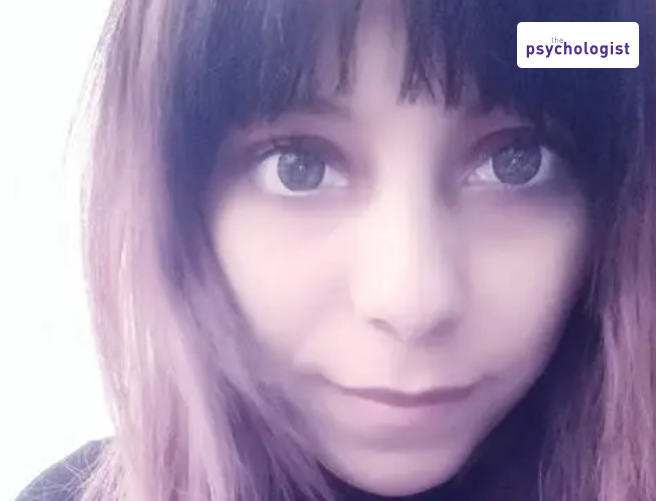
Dr Nahory is a qualified Doctor in Health and a Clinical Associate Psychologist. She is a member of the British Psychological Society (BPS) and the British Association for Counselling and Psychotherapy (BACP). She is currently undertaking a Doctorate in Counselling Psychology. Her passion lies in supporting offering therapy and conducting research in collaboration with people with lived experience, with particular focus on supporting neurodivergent individuals who may experience co-occurring mental health challenges.
She offers an integrative and relational approach to therapy, drawing on a wide range of psychological frameworks and theories. These include psychodynamic, systemic, cognitive behavioural therapy (CBT), Internal Family Systems (IFS), and Compassion-Focused Therapy (CFT). Her work is grounded in a trauma-informed and transdiagnostic understanding of mental health, guided by a neuroaffirmative perspective that acknowledges and respects the everyday challenges faced by neurodivergent individuals, always open to learn from all individuals.
Her clinical experience spans working with individuals and families/groups from diverse backgrounds, ages, ethnicities, class, including those who have experienced complex trauma, personality difficulties, and diagnoses such as schizophrenia, bipolar disorder, and mood-related conditions. She currently works within Community Mental Health settings.
Dr Nahory’s clinical experience includes working with individuals, families, and groups across a range of ages, cultural backgrounds, and social contexts. She has supported people who have experienced complex trauma, relational and personality difficulties, and diagnoses such as schizophrenia, bipolar disorder, and mood-related conditions. She is currently practising within Community Mental Health settings. Alongside her clinical work, Dr Nahory conducts research in collaboration with people with lived experience to strengthen support for neurodivergent populations. This includes individuals with ADHD, autism, dyspraxia, dyslexia (including dyscalculia and dysgraphia), and Tourette’s syndrome. She also offers consultation and guidance to professionals working with neurodivergent people, and has experience supervising trainees and facilitating peer support in relation to complex cases. In addition, she contributes to training and professional development initiatives for practitioners in the NHS, valuing these collaborative processes as opportunities for shared growth and mutual learning. Through this ongoing engagement, she continues to nurture and deepen her own clinical practice.